
Introduction
Imagine soaring above snow-draped alpine peaks in a helicopter, the blades slicing through crisp spring air, before descending into untouched powder fields that stretch endlessly beneath you. Welcome to heliskiing in the French Alps during spring—a thrilling fusion of adventure, luxury, and nature’s grandeur.
While winter may be the traditional season for skiing, spring offers a unique and often overlooked opportunity for snow enthusiasts. The combination of longer days, milder temperatures, and stable snowpack creates ideal conditions for an extraordinary alpine adventure. In this comprehensive guide, we’ll explore why spring is the ultimate season for heliskiing in the French Alps, the best locations, what to expect, and how to prepare for this once-in-a-lifetime experience.
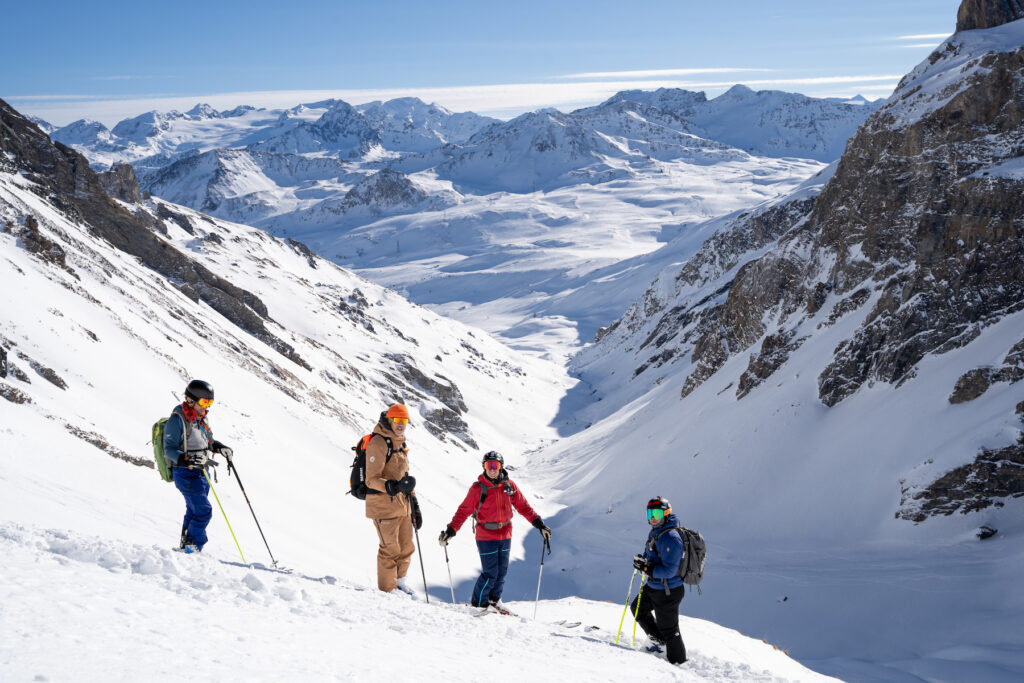
Why Spring is the Prime Season for Heliskiing in the French Alps
1. Optimal Snow Conditions
Spring snow is often misunderstood. While it’s true that lower altitudes may see some thawing, the high alpine zones—where heliskiing thrives—offer stable, corn snow that is both safe and exhilarating to ski. The diurnal freeze-thaw cycle creates a top layer that softens just enough during the day, offering smooth, buttery descents that are a dream for skiers and snowboarders alike.
- Corn snow: A skier’s favourite in spring, offering a forgiving and fast surface.
- Stable snowpack: Reduced avalanche risk due to consolidated layers.
- High-altitude drops: Helicopters access pristine zones above 3,000 meters.
2. Longer Days, More Runs
With the arrival of spring, the days stretch longer, giving you more time to explore remote terrain. Unlike the short, cold days of mid-winter, spring allows for extended heli-ski sessions, often with multiple drops per day. Check out Val Heliski’s multi-drop packages.
- More daylight = More skiing
- Warmer temperatures = Comfortable gear experience
- Sunset descents = Unforgettable alpine views
3. Fewer Crowds, More Freedom
By spring, the majority of tourists have left the slopes, making way for a more exclusive and serene experience. Heliskiing in this season means having entire mountain faces to yourself, free from lift lines or crowded pistes.
- No queues or waiting
- Silent, untouched terrain
- Personalized guide attention
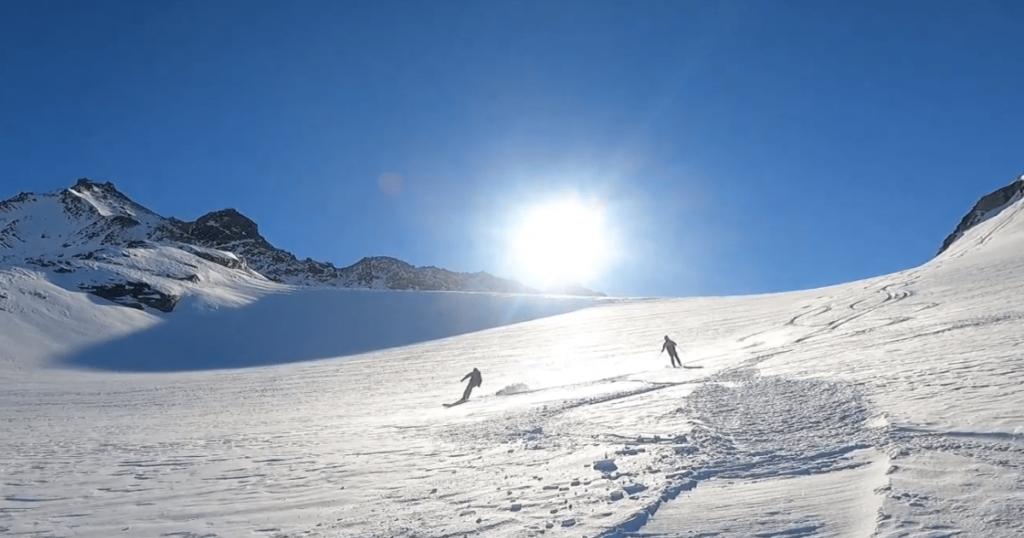
Top Heliskiing Destinations in the French Alps
Although heliskiing is technically restricted within France, the proximity to Italy and Switzerland allows for legal and thrilling heli-drops just across the border, followed by ski descents back into French territory. Here are the most coveted regions for spring heliskiing:
1. Chamonix-Mont-Blanc
Often referred to as the mecca of alpine adventure, Chamonix is a gateway to some of the most iconic heliskiing zones in Europe. From here, helicopters can access the Italian side of the Mont Blanc massif, offering:
- Massive vertical drops (up to 2,500 meters)
- Legendary runs like the Glacier du Rutor
- Breathtaking views of Mont Blanc
2. La Rosière
Nestled on the French-Italian border, La Rosière is a hidden gem for spring heliskiing. With direct access to Italy’s Aosta Valley, it offers:
- Legal heli-drops in Italy with return descents into France
- Gentle to steep terrain for all skill levels
- Sunny, south-facing slopes perfect for spring skiing
3. Val d’Isère & Tignes
The Espace Killy region is renowned for its extensive lift-accessed terrain, but it also serves as a base for heliskiing excursions into the Italian Alps.
- Access to the Gran Paradiso National Park
- High-altitude glaciers with excellent spring snow
- Luxury accommodations and après-ski
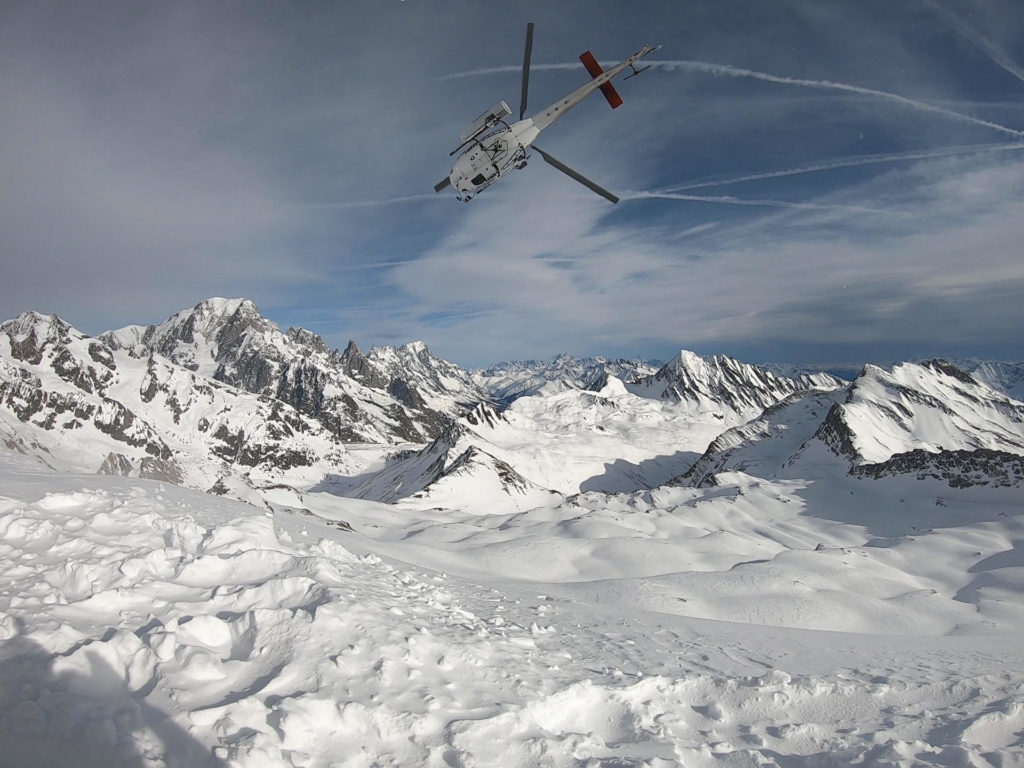
What to Expect on a Spring Heliskiing Trip
Pre-Trip Preparation
Before you embark on your alpine adventure, preparation is key. Here’s what you should consider:
- Fitness: Spring snow can be heavier; build endurance and leg strength.
- Gear: Bring versatile skis (fat skis for powder, all-mountain for corn snow).
- Clothing: Layering is essential. Spring temperatures can vary widely.
- Insurance: Ensure you have heli-skiing coverage and emergency evacuation.
The Day of the Adventure
A typical heliskiing day in the French Alps begins early, with a safety briefing and avalanche training. You’ll then board a helicopter with your guide and group (usually 4-6 skiers), and fly to your first drop zone.
- Safety briefing: Transceiver use, avalanche protocol
- Multiple runs: Depending on package, 3–6 drops per day
- Lunch on the mountain: Gourmet picnics with panoramic views
Après-Ski in Spring
After a day of carving through untouched snow, spring offers the perfect atmosphere for relaxation. Unlike the frigid evenings of winter, spring afternoons are ideal for:
- Sun-soaked terraces with mountain views
- Spa treatments in luxury chalets
- Gastronomic delights featuring local Savoyard cuisine
Essential Tips for a Successful Spring Heliskiing Experience
Choose the Right Guide Service
Not all heliskiing operations are created equal. Look for certified, experienced guides with a deep understanding of spring conditions. Val Heliski operate in all of the best heliski locations, all our staff are certified and highly experienced, and we provide avalanche kit and give you all the training and advice you need to stay safe on the mountain.
Pack Smart
Your packing list should include:
- Avalanche safety gear (beacon, probe, shovel)
- Sunscreen and glacier glasses
- Lightweight backpack with hydration system
- Extra gloves and socks
Environmental Considerations
Heliskiing, while exhilarating, does have an environmental impact. Choose operators who:
- Offset carbon emissions
- Limit flight frequency
- Respect wildlife and protected zones
Val Heliski have a sustainability policy and we offset our carbon footprint
The Unique Beauty of Spring in the Alps
Beyond the skiing itself, spring in the French Alps is a spectacle. Wildflowers begin to bloom at lower elevations, wildlife emerges from hibernation, and the contrast between snow-capped peaks and verdant valleys is nothing short of magical.
- Photography opportunities: Crystal-clear skies and dynamic landscapes
- Cultural events: Spring festivals in alpine villages
- Dual-sport days: Ski in the morning, hike or bike in the afternoon
Frequently Asked Questions (FAQ)
1. Is heliskiing legal in France?
Technically, heliskiing is not permitted within French borders, but it is legal to fly into Italy and ski back into France. Val Heliski offer this cross-border experience.
2. Do I need to be an expert skier?
While you don’t need to be an expert you should be comfortable in variable snow and steep terrain. Val Heliski offer beginner and intermediate friendly packages.
3. What is the best time in spring for heliskiing?
Late March to mid-April is ideal. Snowpack is stable, and the weather is generally favourable. However, conditions can vary by year and location.
4. How much does a heliskiing trip cost?
Check out the pricing on our Packages & Pricing page
5. What safety measures are in place?
All reputable operators, including Val Heliski provide:
- Certified mountain guides
- Avalanche safety equipment
- Pre-flight safety briefings
- Emergency evacuation plans
Final Thoughts
Heliskiing in the French Alps during spring is more than just a sport—it’s an immersive journey into the heart of alpine majesty. With optimal snow, fewer crowds, and the unmatched thrill of helicopter access, spring offers the perfect window to experience this elite adventure.
Whether you’re chasing powder on Little Canada, carving corn snow above La Rosière, or sipping wine under the sun in Tignes, one thing is certain: a spring heliskiing trip in the French Alps will leave you breathless, both from the altitude and the awe.
For those seeking the ultimate alpine adventure, spring heliskiing in the French Alps is not just a trip—it’s a transformation. Ready to take flight?